


The death of a loved one brings emotional pain and sudden responsibility. During this difficult phase, families must arrange cremation while managing grief. Understanding the cremation process in India helps families act calmly, respectfully, and confidently.
India follows diverse traditions, yet cremation remains a common practice across many communities. Whether the cremation happens in Jaipur, Delhi, Udaipur, Jodhpur, or Ajmer, the basic steps remain similar. However, rituals, documentation, and facilities may differ slightly by location.
This complete guide explains every step clearly, from death confirmation to final rituals.
Why Understanding the Cremation Process Is Important
Cremation involves emotional, religious, and legal responsibilities. Lack of information often creates stress during an already painful time.
Understanding the process helps families:
Avoid confusion and delays
Respect religious customs
Complete legal formalities correctly
Make informed decisions
Maintain dignity and peace
Therefore, prior knowledge brings emotional relief.
Step 1: Confirmation of Death
The cremation process begins with official death confirmation.
If death occurs at a hospital, the attending doctor issues the medical death certificate. If death occurs at home, a registered doctor must confirm it.
Without this document, cremation cannot proceed.
Step 2: Informing Family Members and Relatives
After confirmation, families inform close relatives. Many families wait for relatives traveling from other cities.
During this waiting period, body preservation becomes important.
(Benefit of Dead Body Freezer Box Service)
Step 3: Body Preparation Before Cremation
Body preparation follows religious and cultural customs.
Common steps include:
Bathing and cleaning the body
Dressing in traditional clothes
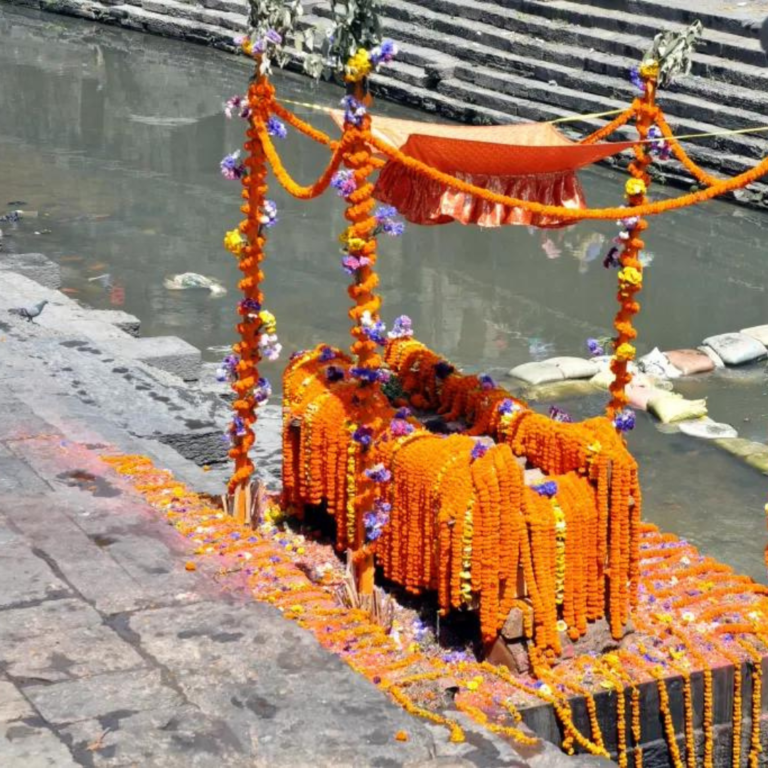
Applying sandalwood, flowers, or holy ash
Placing the body on a stretcher
These rituals bring emotional closure to families.
Step 4: Dead Body Transportation to Cremation Ground
Transportation plays a crucial role in the cremation process.
Professional services use:
Hearse vans
Mortuary vans
Freezer-equipped vehicles
These vehicles ensure hygiene, dignity, and safety.
(Hearse Van Service)
(Dead Body Transportation Services)
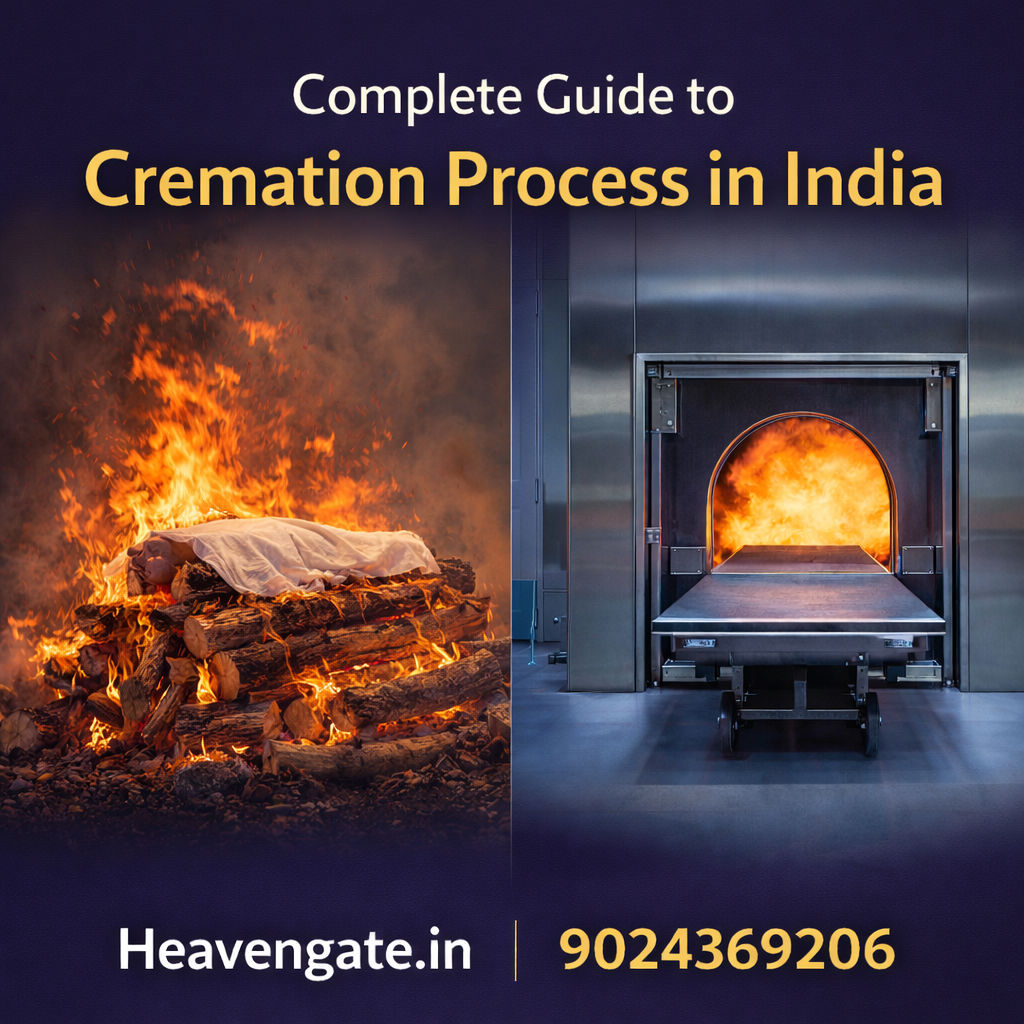
Step 5: Choosing the Type of Cremation
Families must choose the cremation method based on belief, availability, and preference.
Wooden Pyre Cremation
This traditional method uses firewood in an open area. Many Hindu families prefer this option for spiritual reasons.
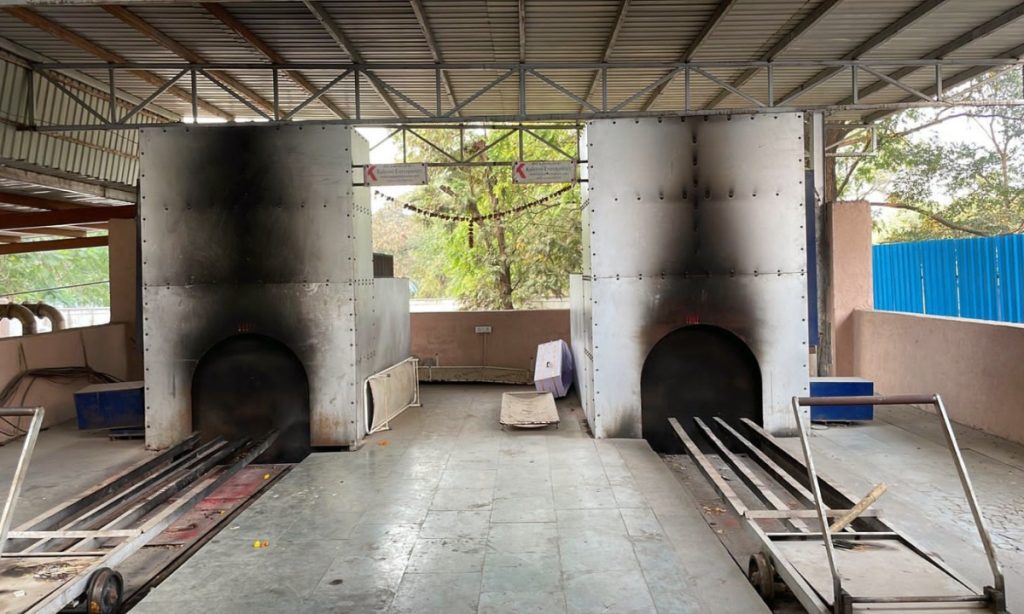
Electric Cremation
This modern method uses electric furnaces. It saves time, reduces pollution, and offers cleaner surroundings.
Both options remain widely accepted across India.
Step 6: Cremation Ground Entry and Registration
On arrival at the cremation ground, families complete registration.
Required documents usually include:
Death certificate
Identity proof of the deceased
Cremation booking slip
Staff then guide families to the assigned area.
Step 7: Performing Last Rites and Rituals
The last rites hold deep emotional value.
Traditionally, the eldest son or closest male relative performs the rituals. However, many families now allow daughters or spouses to perform rites.
Common rituals include:
Circumambulating the body
Chanting prayers
Lighting the pyre or initiating electric cremation
Priests often assist families during this stage.
Step 8: The Cremation Process
Wooden Pyre Cremation Process
The body rests on stacked wood logs. The chief mourner lights the pyre. The process may take three to five hours.
Families often stay nearby during this time.
Electric Cremation Process
Staff place the body inside the chamber. Cremation completes within one to two hours. Ash collection follows.
Electric cremation offers quicker completion and cleaner surroundings.
Step 9: Collection of Ashes (Asthi)
After cremation, families collect the ashes.
Ashes are usually placed in an urn. Families may immerse them in holy rivers such as Ganga, Yamuna, or local rivers.
Asthi collection usually happens the same day or the next morning.
Step 10: Post-Cremation Rituals
Post-cremation rituals vary across communities.
Common practices include:
Asthi visarjan
Terahvi ceremony
Prayer meetings
Pind daan
These rituals help families find emotional closure.
Cremation Process in Major Indian Cities
Cremation in Jaipur
Jaipur offers both wooden pyre and electric cremation facilities. Professional services help manage documentation and transportation.
Cremation in Delhi
Delhi has multiple electric cremation centers. Due to traffic, timely planning becomes important.
Cremation in Udaipur
Udaipur supports both traditional and electric cremation. Environmental awareness has increased electric cremation usage.
Cremation in Jodhpur and Ajmer
Traditional wooden pyre cremation remains common, though electric facilities continue expanding.
Legal and Municipal Rules for Cremation
Each city follows municipal guidelines.
General requirements include:
Valid death certificate
Cremation ground permission
Compliance with local timings
Professional service providers handle these steps smoothly.
Role of Professional Cremation Services
Professional cremation services reduce stress during grief.
They assist with:
Transportation
Cremation booking
Ritual coordination
Documentation
As a result, families focus on remembrance instead of logistics.
Environmental Considerations in Cremation
Environmental impact has become an important factor.
Electric cremation reduces:
Wood consumption
Air pollution
Carbon emissions
Therefore, many families now choose eco-friendly options.

Emotional Support During the Cremation Process
Cremation is emotionally intense.
Professional teams offer calm guidance and respectful communication. Their presence helps families feel supported.
Common Mistakes Families Should Avoid
Families should avoid:
Delaying documentation
Choosing unregistered services
Ignoring preservation needs
Rushing rituals
Proper planning prevents regret later.
Cost of Cremation in India
Cremation costs depend on:
City location
Cremation method
Ritual requirements
Transportation services
Electric cremation usually costs less than wooden pyre cremation.
Choosing the Right Cremation Service Provider
Families should check:
Experience and reputation
24/7 availability
Transparent pricing
Compassionate behavior
Local expertise also matters greatly.
Future Trends in Cremation Practices
Urban India continues adopting modern methods. Electric cremation acceptance continues growing.
However, traditional practices will remain culturally significant.
Both methods will coexist respectfully.
Final Thoughts
The cremation process in India involves emotional, religious, and legal responsibilities. Understanding each step helps families manage this journey with dignity and peace. Whether cremation occurs in Jaipur, Delhi, or Udaipur, informed decisions reduce stress during grief.
A respectful farewell honors love, tradition, and memory.
Call to Action (CTA)
If you need complete cremation assistance, choose a trusted professional service.
📞 Call: 9024369206
🌐 Visit: Heavengate.in
Support is available 24/7 to guide you with care and compassion.
❓ FAQs – Funeral Services in India
1. Is cremation mandatory in India?
No. Cremation depends on religious and cultural beliefs.
2. How long does the cremation process take?
Wooden pyre cremation takes longer than electric cremation.
3. Can women perform last rites?
Yes. Many families now allow women to perform rituals.
4. Are electric cremations religiously accepted?
Yes. Hindu scriptures emphasize fire, not fuel source.
5. Is professional help necessary for cremation?
Professional support simplifies documentation, transport, and rituals.